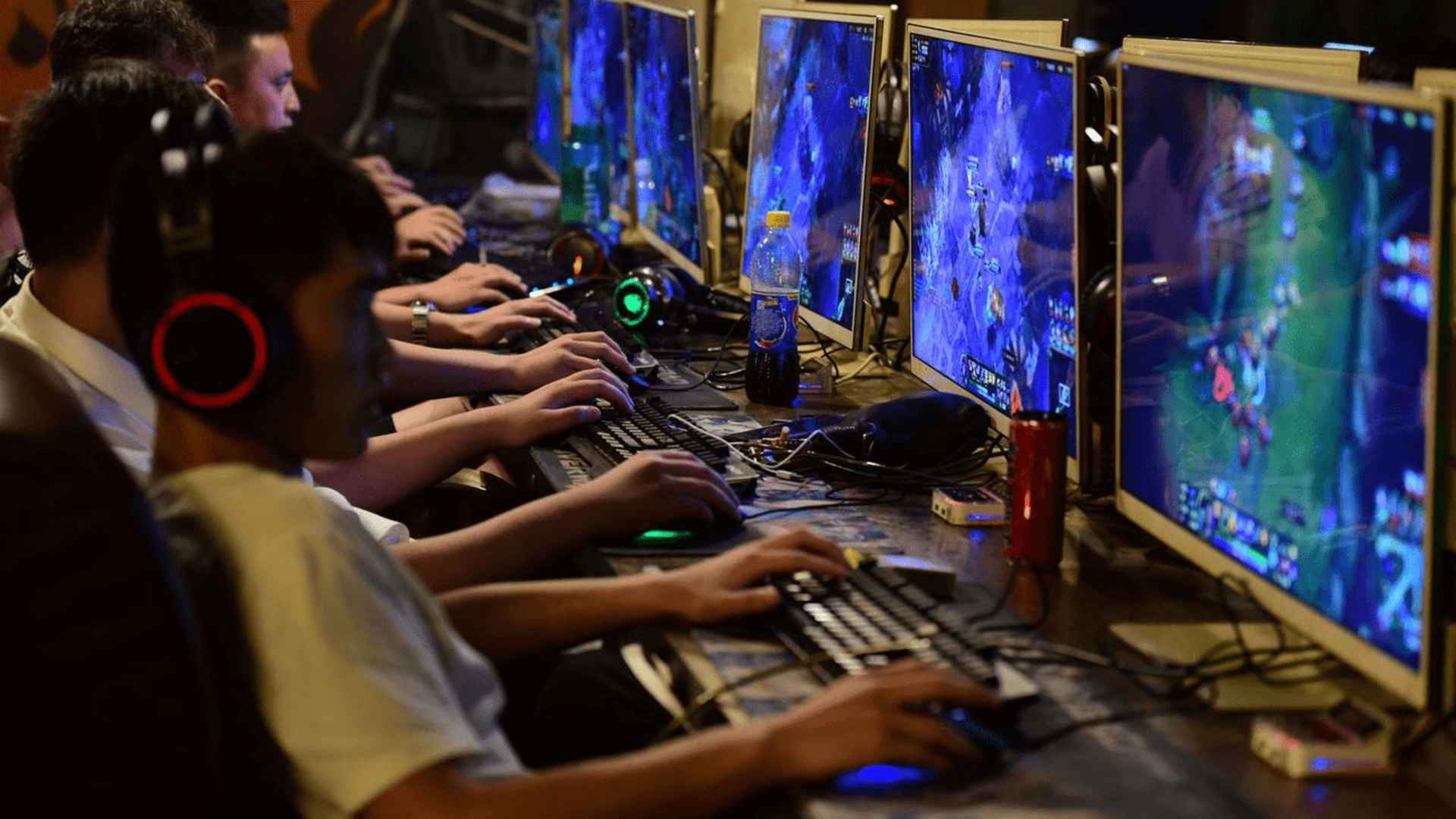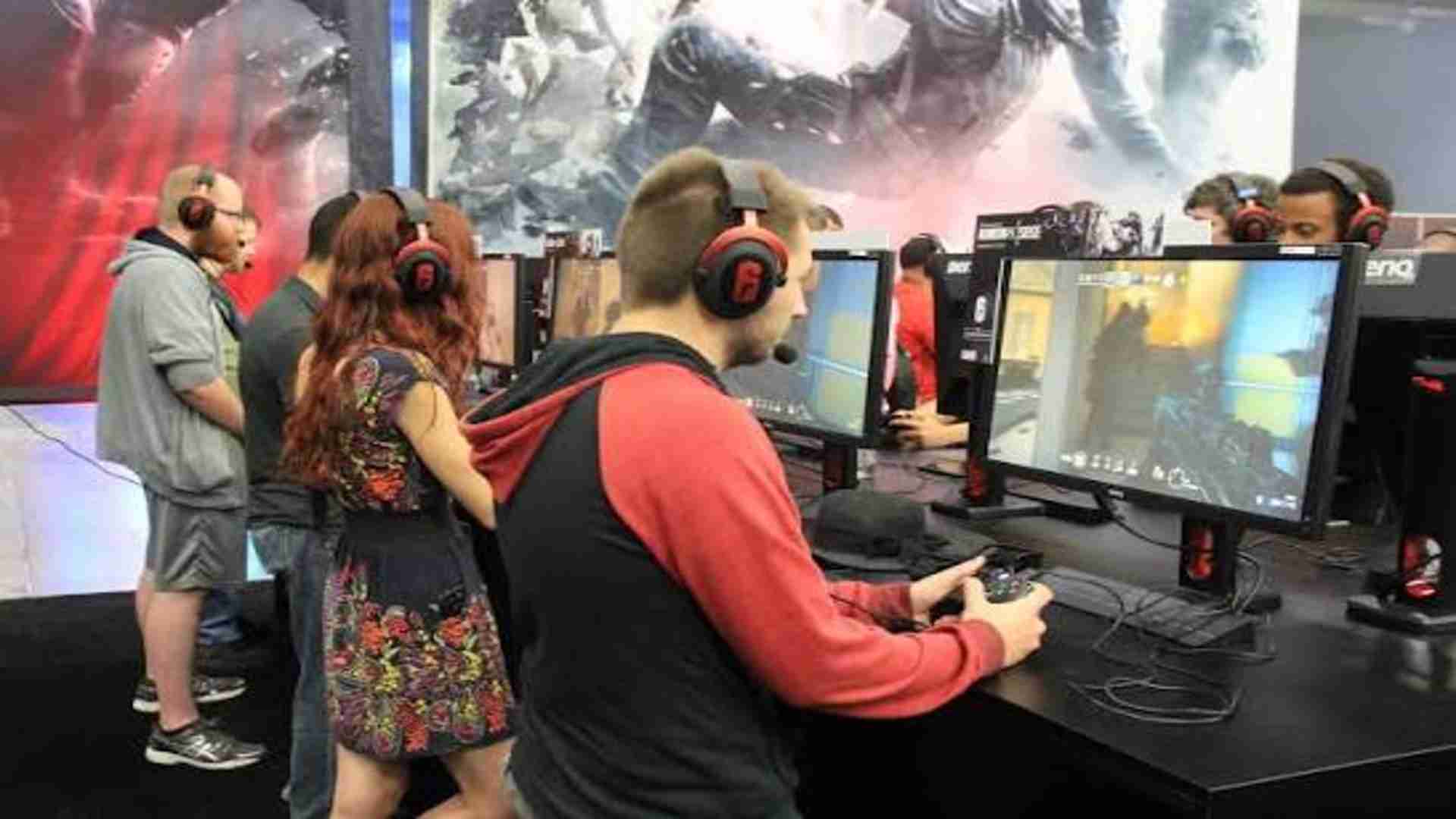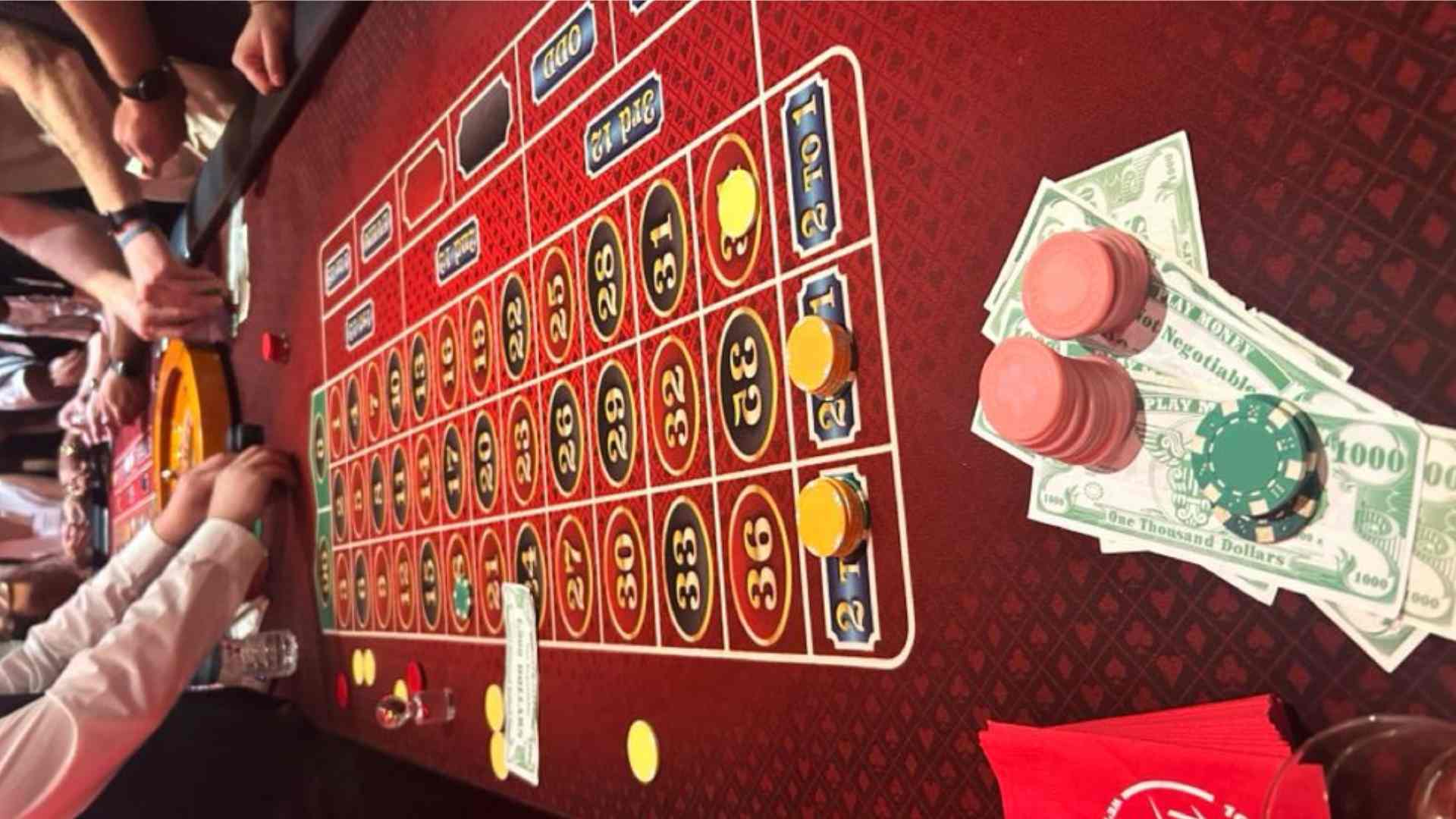
Modern game development relies heavily on the careful balance between player skill and algorithmic unpredictability to maintain long-term engagement. While early arcade games relied strictly on fixed patterns, contemporary digital design weaves elements of probability into the core gameplay loop. This article explores how developers successfully transform pure chance into a compelling mechanism for player entertainment and retention.
The Psychology of Variable Gameplay Outcomes
Human psychology is naturally drawn to situations where the outcome is not entirely guaranteed beforehand. When a digital system introduces a controlled amount of luck, it creates a dramatic tension that keeps players focused on their screens. This variable reinforcement structure ensures that even familiar levels or missions feel entirely unique during subsequent playthroughs.
By preventing players from predicting every single event, game designers can easily avoid the onset of early player fatigue. Many interactive web platforms leverage these exact dynamics to heighten the daily user experience. For instance, global platforms offer a specialized 促销代码 m88 to introduce extra layers of surprise and engagement into their ongoing promotional campaigns.
Balancing Skill and Random Interventions
A primary challenge in modern game design is ensuring that random mechanics do not overshadow individual player agency. If a game relies too heavily on pure luck, participants often feel frustrated and disconnected from their achievements. Conversely, perfect predictability can quickly lead to boredom, making a hybrid approach the ideal standard for current development.
To achieve this balance, developers utilize mathematical models that gently steer random generation in favor of the player experience. Popular genres use these systems to randomize item drops, enemy spawn points, and environmental changes without disrupting competitive fairness. This elegant optimization ensures that skill remains paramount while surprise provides the necessary emotional peak.
Fostering Community Interaction Through Shared Fortune
Unpredictable events within digital game worlds do more than satisfy individual players; they create vibrant social ecosystems. When a player encounters a rare digital event or wins an uncommon reward, the natural instinct is to share that moment online. This behavior fuels community forums, streams, and social media discussions, expanding the game footprint organically.
Shared moments of unexpected luck build a collective memory that unites diverse player groups over extended periods. Communities frequently gather to celebrate major updates, discuss strategies for overcoming random obstacles, and analyze the latest event mechanics. Ultimately, this synergy between algorithmic chance and social interaction transforms a solitary gaming session into a thriving global culture.