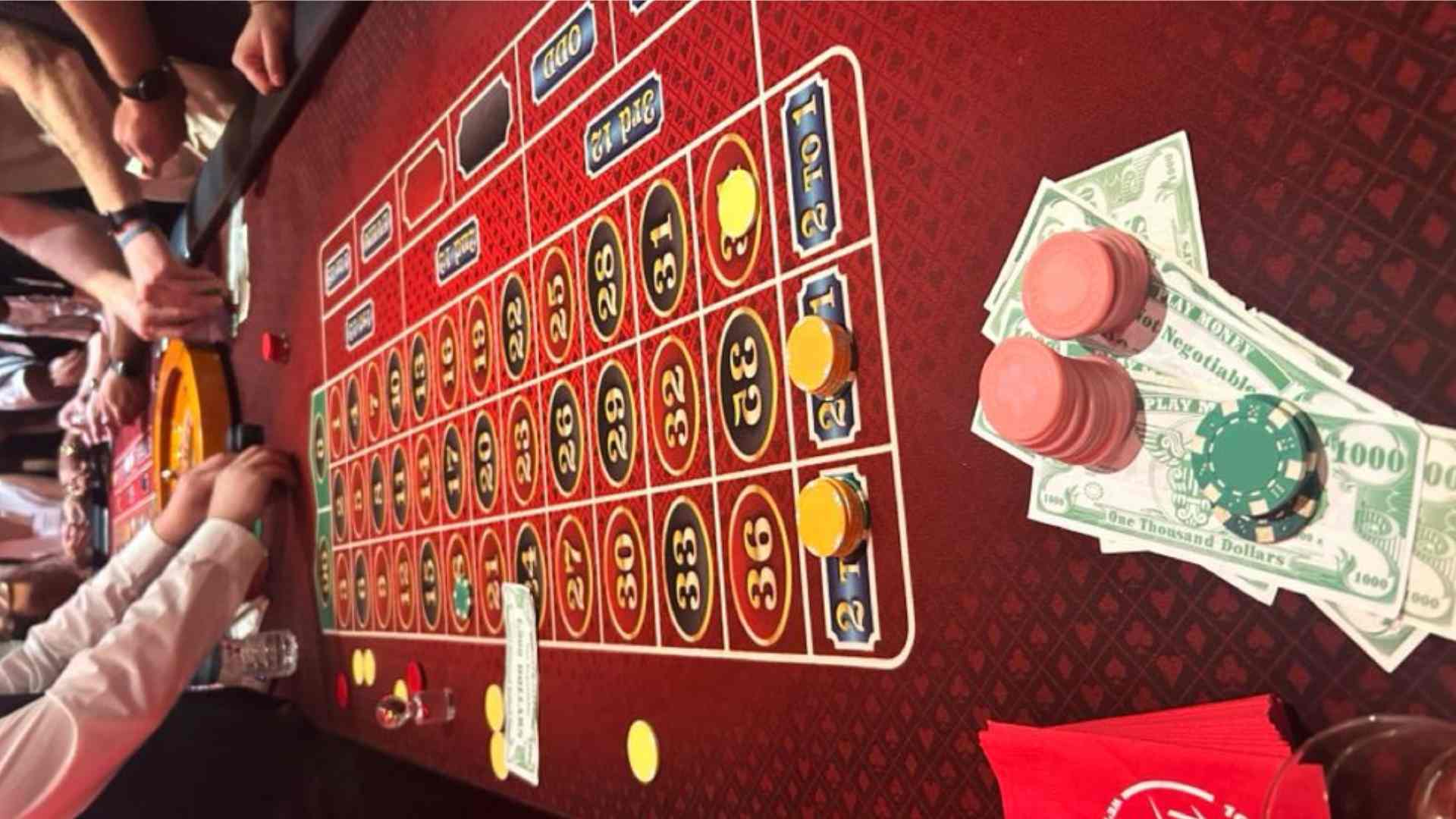
Reward design in digital environments has shifted dramatically from rigid, predictable schedules toward flexible systems that incorporate surprise elements. When user incentives are varied rather than fixed, participation often becomes more dynamic and engaging. System architects and game designers alike are discovering that unexpected outcomes help maintain interest over extended periods.
The Psychology of Unplanned Rewards
Unpredictable incentives capitalize on natural human curiosity and the psychological drive to explore unknown outcomes. When a reward is guaranteed after every routine action, its perceived value can diminish over time. Introducing random surprises creates emotional peaks that heighten satisfaction and encourage ongoing interaction.
Behavioral research demonstrates that variable reinforcement schedules stimulate deeper focus than steady routines. Users naturally feel greater enthusiasm when there is a chance of receiving a rare benefit or bonus. This sense of anticipation keeps digital experiences vibrant and prevents routine tasks from feeling tedious.
Designing Balanced Incentive Frameworks
Implementing unexpected rewards requires a subtle balance to prevent user frustration or burnout. If surprises occur too rarely, participants may lose interest before experiencing a positive outcome. Conversely, distributing high-tier bonuses continuously can trivialize achievements and reduce long-term motivation.
Effective reward architecture combines predictable milestones with occasional spontaneous surprises. Base incentives give users a clear sense of progression, while surprise perks provide memorable moments of delight. Designers who study platforms like link boss domino understand how dynamic mechanics maintain active user loops without disrupting core functionality.
Enhancing User Retention Through Mystery
Incorporating mystery elements into daily progression loops encourages consistent long-term habits. Mystery rewards give users a reason to return daily, as every session carries the possibility of discovering a new perk. Over time, these small positive moments build strong emotional ties to the platform.
Furthermore, surprising users with tailored benefits makes digital interactions feel more personalized. When an incentive aligns with a user's recent actions, it creates a sense of recognition and value. This thoughtful approach transforms standard digital applications into immersive, user-centric environments.
The Future of Adaptive Reward Systems
As technological capabilities expand, reward frameworks are becoming increasingly responsive to individual behavior. Future systems will leverage real-time data to deliver unexpected incentives at optimal moments, maximizing enjoyment while preserving fairness. This evolution promises to make interactive media even more rewarding and engaging for global audiences.
Ultimately, unexpected incentives serve as a vital tool in contemporary engagement strategy. By thoughtfully integrating surprise into reward structures, creators can foster meaningful connections and sustained activity across diverse digital platforms.